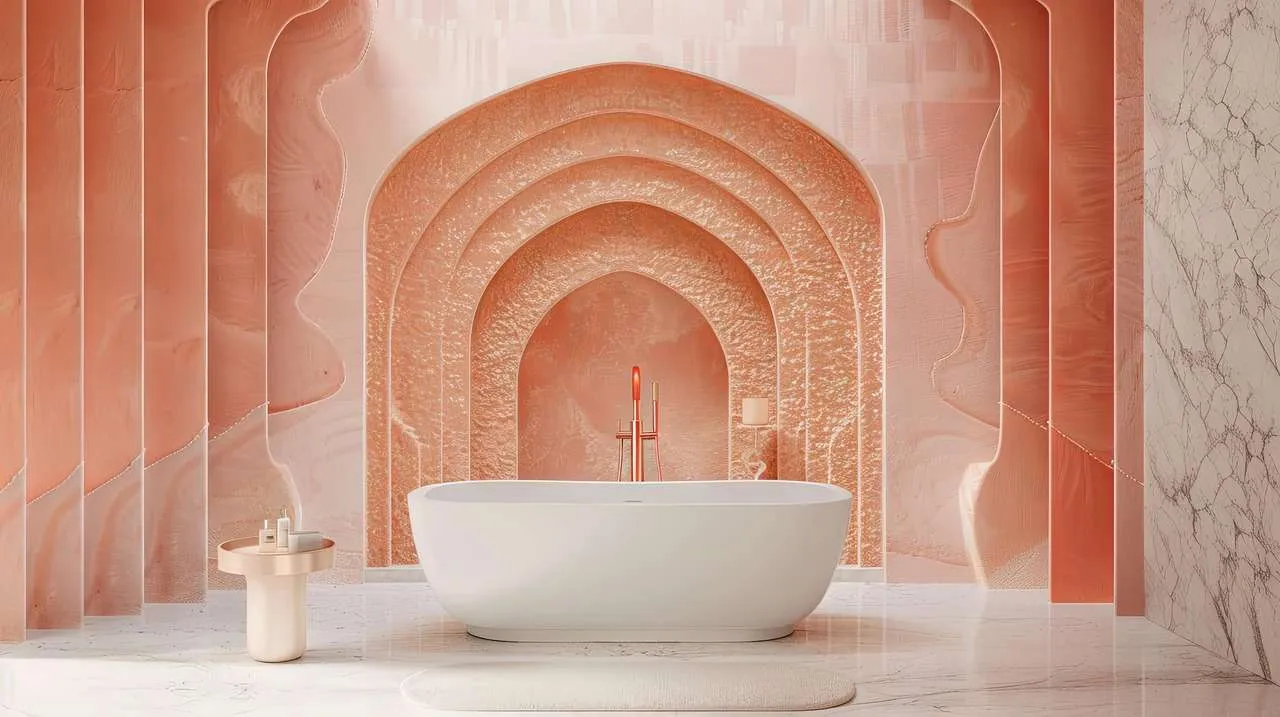
Bathroom tile is more than a surface; it's a durable, water resistant canvas that defines the look and feel of a space that sees daily use. The right tile combination can transform a plain bathroom into a calming retreat, while improper selection or installation can lead to cracking, staining, or moisture problems. This guide walks you through choosing materials, sizing, and finishes, plus installation basics and upkeep to ensure your bathroom tile performs as well as it looks. Whether you are renovating a powder room or designing a full bath, understanding the tradeoffs between ceramic, porcelain, natural stone, and glass tiles will help you make informed decisions with confidence.
Choosing the right tile material, size and finish
Material choice matters for durability and maintenance. Ceramic and porcelain are the two most common tile types for bathrooms, with porcelain offering higher density and water resistance. Natural stone brings luxury but requires sealing. Glass tiles add sparkle for backsplashes and accent walls. Consider slip resistance and grout color as well as size and layout to influence the perception of space.
Ceramic vs porcelain
Ceramic tiles are typically less expensive, easy to cut, and come in a broad range of patterns. Porcelain tiles are a denser variant with low water absorption, making them ideal for wet areas and high traffic. When choosing, review the tile's water absorption rating and abrasion class, and balance maintenance with budget.
Size and finish
Large format tiles can create a seamless look with fewer grout joints, while small tiles enable intricate patterns and better grip in showers. Matte finishes hide water spots better than high gloss, but gloss can brighten a room with more light reflection. For shower floors, select a tile with higher slip resistance rated for wet areas and consistency in thickness to avoid trip hazards.
Design trends and practical tips for bathroom tile
Plan a cohesive color story by coordinating tile colors with cabinetry and countertops. Use a larger tile on the floor to minimize grout lines and a contrasting or matching wall tile to create interest. Add texture with a basket weave, herringbone, or vertical stack pattern. Consider a waterproof shower niche and a decorative border to introduce color without overwhelming the space. When selecting grout, a darker grout hides dirt and mildew better, while light grout brightens the field tile but requires more frequent cleaning. Always test a small area to ensure the look aligns with your design goals.
Tile installation basics and maintenance
In wet rooms, proper substrate preparation and waterproofing are essential. A bonded bed of thinset, a moisture barrier, and proper slope for drainage reduce the risk of leaks. Subfloor and wall surfaces should be clean, flat, and structurally sound. After installation, allow adequate curing time before grouting and sealing stone; reseal stone or grout as recommended by the manufacturer. Clean tiles with pH neutral cleaners and remove soap scum with soft brushes rather than abrasive pads to preserve finishes.
DIY vs professional installation
DIY tile projects can be rewarding for small areas or backsplashes, but showers and wet areas benefit from professional installation to ensure waterproofing and long term performance. Pros bring experience with substrate preparation, layout planning, and precise cuts that minimize waste and reduce the risk of cracks. If you hire a pro, verify licenses, read reviews, and ask for a written warranty and product spec sheets.
Cost considerations and durability
Tile cost varies by material, size, pattern, and labor. Ceramic tiles are typically budget friendly, porcelain sits higher in price but offers greater durability and water resistance, while natural stone requires sealing and maintenance. Consider not only the tile price but also installation complexity, underlayment, waterproofing, and grout sealing. With proper care, tile installations can last for decades, maintaining appearance and value in bathrooms that see frequent use.
Comparison of tile types
| Tile Type | Pros | Cons | Best Use |
|---|---|---|---|
| Ceramic | Affordable, broad selection | Moderate water resistance, softer tile | Walls, light traffic floors |
| Porcelain | Very durable, low water absorption | Higher cost, can be harder to cut | Showers and floors in busy bathrooms |
| Natural Stone | Luxurious, unique veining | Requires sealing, staining risk | Bathrooms with premium design |
| Glass | Reflects light, modern look | Prone to smudges, sharp edges if cut | Backsplashes and accent walls |
Maintenance and care
To keep bathroom tile looking new, perform routine cleaning with non acidic cleaners and a damp microfiber cloth. Seal natural stone and grout when recommended, and address mold promptly with proper ventilation and cleaning products. Inspect grout lines periodically for cracks and re grout or reseal as needed to prevent water intrusion and staining.
Summary, the right bathroom tile choice blends durable materials, thoughtful layout, proper installation, and consistent care to deliver a lasting, beautiful space.