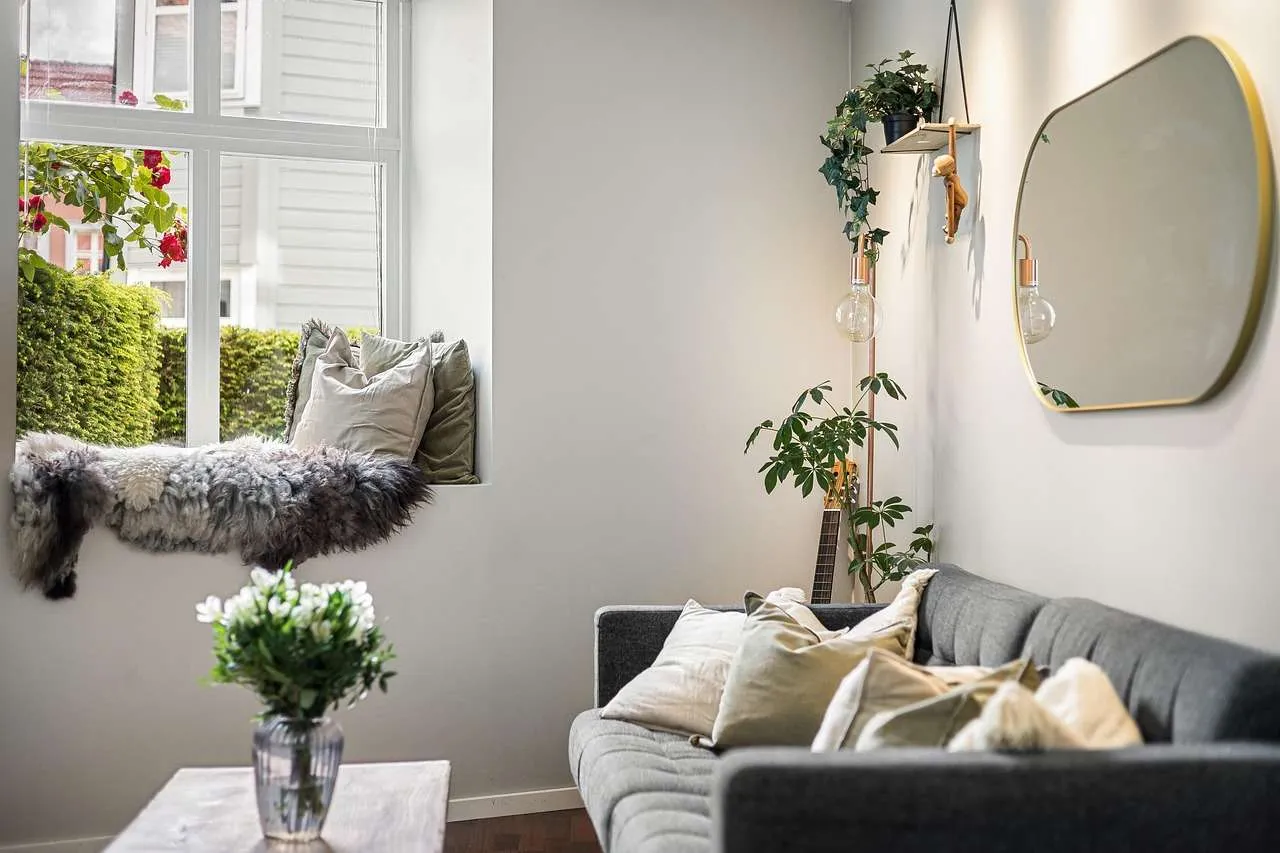
Home window tinting refers to applying a tinted film to the interior side of residential glass. This enhancement reduces heat, glare, and UV exposure while preserving daylight and curb appeal.
Benefits of Home Window Tinting
Energy efficiency reduces cooling demand by limiting solar heat gain. UV protection blocks up to 99% of harmful rays that fade furnishings and affect skin over time. Glare reduction improves comfort in living spaces and home offices. Increased privacy keeps intruders and passersby at bay without sacrificing natural light. Some films also add safety by holding broken glass together during impacts.
Types of Window Tint Films
Home tint films vary in composition and performance. Here are common options:
- Dyed films: Inexpensive and good for privacy, but fade over time and offer moderate heat rejection.
- Metalized films: High heat rejection and strong privacy, but can interfere with Wi-Fi or GPS signals and may appear shiny.
- Ceramic films: High heat rejection, excellent clarity, and non-metallic; premium but durable.
- Carbon films: Good heat rejection and natural color; maintains clarity without mirror-like sheen.
- Laminated films: Multi-layered for enhanced impact resistance; often used for added safety and UV protection, with varied tint levels.
Choosing the Right Tint for Your Home
Important specifications to consider include:
- Visible Light Transmission (VLT): Higher VLT means more natural light; lower VLT means darker tint and more privacy.
- Heat Rejection (IR): The performance metric that correlates with comfort and energy savings.
- Durability and Warranty: Ceramic and laminated films tend to offer longer warranties and better color stability.
- Light Transmission and Colors: Some films slightly alter indoor color balance; choose a shade that matches your interior design.
Legal Considerations and Compliance
Window tint laws vary by country, state, and even city. Many regions require a minimum light transmission on front side windows and prohibit certain dark tones on driver visibility areas. Before purchase or installation, check with local authorities or consult a licensed installer who understands code compliance and can provide certification if required.
DIY vs Professional Installation
DIY tint kits exist for straightforward cases, but achieving a flawless, bubble-free finish on large or tempered glass is challenging. Professional installers bring specialized tools, ensure accurate measurements, and typically offer warranties that cover peeling, bubbling, or fading. A reputable installer can also help you select compliant film that optimizes performance for your climate and home orientation.
Cost, Maintenance, and Longevity
Prices depend on film type, glass area, and labor. Expect ranges from modest budgets for basic dyed films to premium ceramic or carbon films with professional installation. Routine maintenance is simple—use a soft cloth and mild detergent; avoid abrasive cleaners that can scratch the film. Most high-quality films last 10–20 years with proper care and offer warranties against bubbling and color change.
Comparison of Tint Films
| Film Type | UV Protection | Heat Rejection | Privacy | Durability | Estimated Cost | Warranty |
|---|---|---|---|---|---|---|
| Dyed | Good | Moderate | High | Low | Low–Medium | 3–7 years |
| Metalized | Very Good | High | High | Moderate | Medium | 5–12 years |
| Ceramic | Excellent | Excellent | Moderate | High | High | 10–20 years |
| Carbon | Excellent | High | Moderate | High | Medium–High | 10–15 years |
| Laminated | Excellent | Very High | High | Very High | High | 15–25 years |
Maintenance and Aftercare
Follow the installer’s care guidelines. Avoid ammonia-based cleaners, which can degrade film over time. Wipe gently with a microfiber cloth and a mild soap solution. Refrain from window films on surfaces with heavy condensation or frequent cleaning; humid environments may require more frequent checks for air bubbles or edge separation.
Conclusion, choosing the right home window tinting approach is a balance of performance, aesthetics, budget, and compliance. With the right film and a professional installation when needed, you can enhance comfort, protect furnishings, and increase the value of your home.