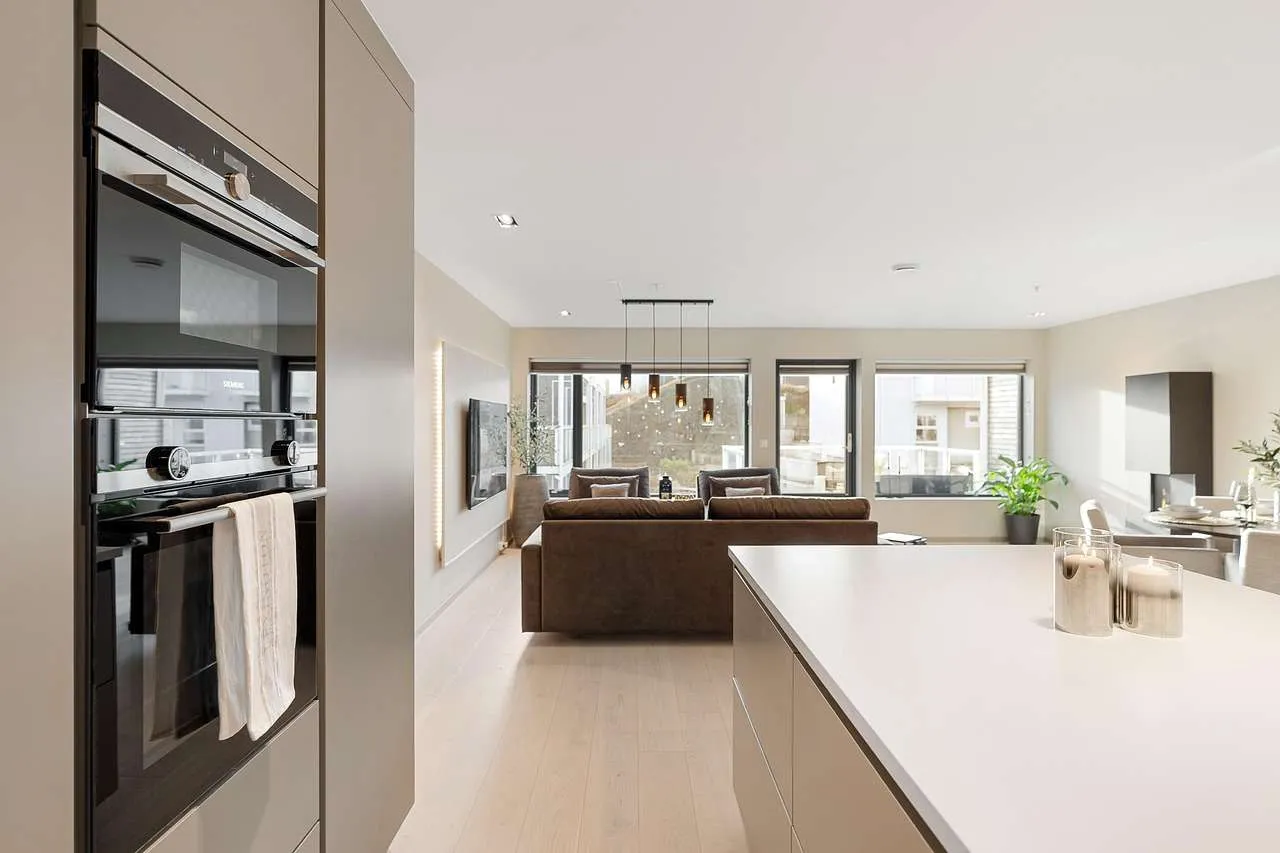
Choosing a home window tint is more than aesthetics. A quality residential film can cut heat, block UV, protect privacy, and improve comfort while preserving view. This guide covers what home window tint is, how it works, the main film types, selection criteria, installation considerations, costs, and maintenance to help you make an EEAT informed decision.
What is home window tint?
Home window tint refers to a thin film applied to the interior surface of glass to reduce solar heat gain, glare, and UV exposure. Most films are made from dyed, metalized, ceramic, or carbon technologies, each with distinct performance and appearance. By filtering sunlight, tint improves comfort and can extend the life of furnishings while maintaining exterior views as much as possible.
Benefits of home window tint
Energy savings
Reduced heat gain means your cooling system works less hard, which can lower monthly energy bills and improve indoor comfort during hot seasons.
UV protection
Most modern films block up to 99 percent of harmful UV rays, helping prevent fading of carpets, fabrics, and artwork while protecting skin from sun exposure.
Privacy and comfort
Tinted windows deter casual prying and reduce glare, making interiors more comfortable for reading, working from home, and watching screens during bright daylight.
Glass protection and durability
Many films add scratch resistance and, in safety rated options, hold broken glass together to reduce injury risks during impact and storms.
Types of home window tint
Dyed films
Budget friendly and good for privacy, dyed films absorb solar energy to cut glare. They can fade or shift color over time, especially with prolonged sun exposure.
Metalized films
Metalized films reflect a portion of solar heat and provide strong glare control. They can interfere with some electronics and may display rainbow effects in certain lighting.
Ceramic films
Ceramic films offer strong heat rejection without metal, preserving signals for devices and avoiding color shifts. They are typically the highest performing but carry a higher price tag.
Carbon films
Carbon films deliver a matte finish with good heat rejection and long durability. They tend to be mid to high in cost and do not create signal interference.
How to choose the right home window tint
Start by considering climate and sun exposure, privacy needs, and budget. Check local laws since some regions regulate tint darkness on residential glass. For best performance, look for a laminate or multi layer film with a reputable warranty and opt for a professional installation to ensure bubble-free application and proper edge sealing.
Also evaluate visible light transmission VLT values, UV rejection percentages, and whether the film is metalized or nonmetallic. Nonmetallic options like ceramic and carbon won’t interfere with electronics or mobile devices.
Installation considerations and maintenance
Professional installation is recommended to prevent bubbles, edge gaps, and improper adhesion. Ask for documentation of warranty, safety ratings, and product data. After installation, avoid abrasive cleaners and ammonia based products; use a soft cloth and mild soap to clean the interior surface.
Cost and return on investment
Residential window tint typically costs between small and mid range per square foot installed, depending on film type and window size. Expect a cost range of approximately three to twelve dollars per square foot including labor. While upfront costs vary, the energy savings, UV protection, and extended furniture life can deliver a favorable ROI over time, especially in sunny climates.
Comparison of common tint types
| Tint Type | Light Transmission | UV Rejection | Heat Reduction | Privacy | Notes |
|---|---|---|---|---|---|
| Dyed Film | 15–40% | High | Low–Medium | Low–Medium | Budget option; may fade |
| Metalized Film | 5–30% | High | High | Medium–High | Good heat control; can affect signals |
| Ceramic Film | 30–50% | Very High | Very High | Medium–High | Best performance; non metal |
| Carbon Film | 20–60% | High | Medium–High | Medium–High | Matte finish; durable |
Maintenance and care
Keep the film clean with a soft microfiber cloth and mild soap solution. Avoid abrasive tools and ammonia based cleaners as they can degrade the coating over time. Regular checks for edge lifting or bubbling should be part of routine home maintenance, and schedule a reseal or replacement when performance declines.
Conclusion, home window tint offers energy savings, UV protection, privacy, and glass protection when choosing the right film and installer. Consider climate, budget, legal limits, and warranty to maximize value. By understanding tint types, installation best practices, and ongoing maintenance, homeowners can enjoy a more comfortable, efficient living space while preserving view.